Table of Contents
What is Fiverr
Fiverr is a leading global online marketplace for freelance services, connecting businesses, entrepreneurs, and individuals with talented freelancers from around the world. Launched in 2010 by Ientrepreneurs Micha Kaufman and Shai Wininger, the platform revolutionized the gig economy by allowing freelancers to offer their skills in the form of “Gigs” — standardized, product-like service packages. Find it here.
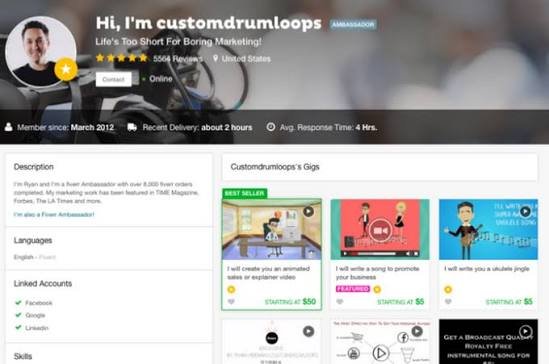
Originally, every service on Fiverr started at just $5 (hence the name), making high-quality digital work accessible and impulse-friendly. Today, while many gigs still begin at low prices, services can range from a few dollars to thousands, depending on complexity, expertise, and custom requirements. The platform covers hundreds of categories, including:
- Graphic design and logo creation
- Website and app development
- Video editing and animation
- Writing, translation, and content creation
- Digital marketing and SEO
- Programming and tech support
- Music, audio, voiceovers
- Business consulting, data analysis, and more
Fiverr operates as a two-sided marketplace: sellers (freelancers) create detailed Gig profiles with descriptions, portfolios, pricing tiers (Basic, Standard, Premium), and delivery times. Buyers browse, compare reviews and ratings, place orders, and communicate directly through the platform. Once work is delivered, buyers can review the service, which helps build trust and visibility for top performers.
Key Features
- AI-enhanced matching — helps connect buyers with the right talent quickly.
- Fiverr Pro — a premium tier featuring hand-vetted, top-tier freelancers for more demanding projects.
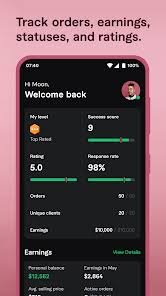
- Mobile apps for iOS and Android — making it easy to manage gigs or orders on the go.
- Secure payments and dispute resolution — built into the system.
With millions of active users and freelancers across 700+ service categories, It has become a go-to platform for startups, small businesses, and even large enterprises looking to scale quickly without hiring full-time staff. It’s trusted by over 11 million businesses for its simplicity, variety, and efficiency — turning ideas into reality with the tagline: “Our freelancers will take it from here.”
Whether you’re a freelancer looking to monetize your skills or a buyer needing fast, professional help, Fiverr makes freelance work as straightforward as shopping online. Visit www.fiverr.com to explore or start offering services.
Here’s a clear, up-to-date Upwork vs Fiverr comparison (as of 2026) to help you decide which platform suits you better — whether you’re a freelancer looking to earn or a buyer/client needing services.
Quick Overview
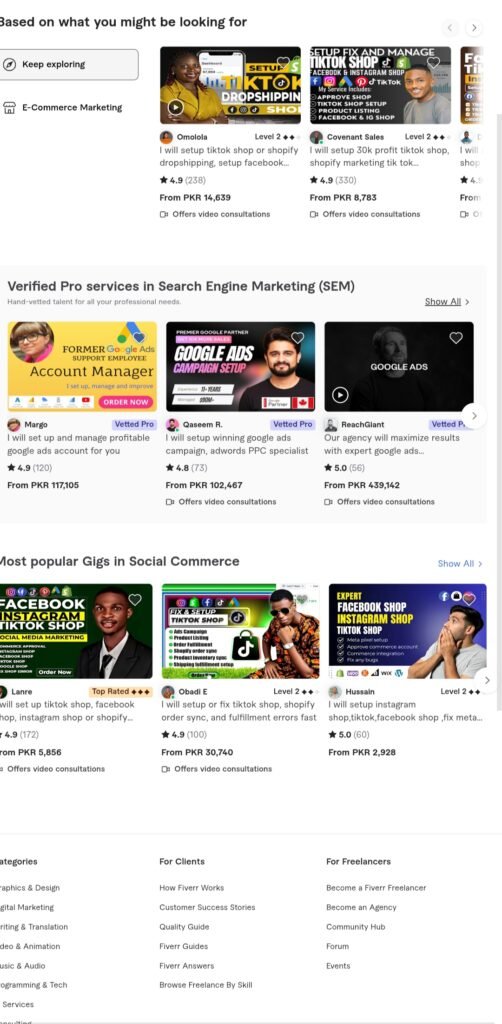
- Fiverr: Gig-based marketplace. Freelancers create “Gigs” (pre-packaged services) with fixed prices, tiers (Basic/Standard/Premium), and buyers come to them. Best for quick, well-defined, one-off tasks.
- Upwork: Proposal-based platform. Clients post jobs, and freelancers bid or send proposals. Supports both hourly and fixed-price contracts. Better for complex, ongoing, or custom projects.
Both are major players in the freelance economy, but they serve different workflows.
Side-by-Side Comparison
| Aspect | Fiverr | Upwork |
|---|---|---|
| Business Model | Gig economy (sellers list services) | Job bidding / proposals (clients post jobs) |
| Best For | Quick tasks, creative work, one-off projects, beginners | Long-term projects, complex work, ongoing relationships, experienced professionals |
| Pricing Model | Mostly fixed-price packages (can start low but many now higher) | Hourly or fixed-price (more flexibility) |
| Freelancer Fees | Flat 20% on all earnings | Typically 10% (variable 0-15%, often simplified to ~10% flat in recent years) |
| Buyer/Client Fees | 5.5% + small order fee (~$3 for orders under $100) | ~5% + small contract initiation fee |
| Competition | High (buyers browse gigs passively) | Very high (active bidding/proposals) |
| Ease of Getting Started | Easier for beginners — create gigs and wait for orders | Steeper learning curve — need strong proposals, profile, and often “Connects” to apply |
| Earning Potential | Good for volume & upsells; many creative gigs. Top sellers do well but average lower | Generally higher for complex/skilled work and retainers; better for building long-term clients |
| Client Quality | Mix — many small businesses & individuals seeking fast/affordable work | More businesses & enterprises; often higher budgets and ongoing needs |
| Project Duration | Short to medium (days to weeks) | Short to long-term (weeks to months/years) |
| Payment Protection | Escrow-style with clearance periods | Strong hourly tracking + escrow |
| Talent Pool | Large, especially creative/digital services | Massive and diverse across tech, business, etc. |
| Additional Costs | Optional promotions or Fiverr Pro | Connects for bidding (free basic + paid plans like Freelancer Plus ~$20/mo) |
Pros and Cons
Fiverr Pros:
- Simpler and faster to start (no constant bidding).
- Great for standardized or creative services (design, writing, video editing, voiceovers, etc.).
- Buyers know the exact price upfront — less negotiation.
- Good visibility through SEO-optimized gigs and levels (Seller Levels).
Fiverr Cons:
- Higher flat 20% fee eats into earnings.
- Can feel more competitive for new sellers to get initial reviews.
- Often associated with lower-price/quick-turnaround work (though premium gigs exist).
- Less ideal for very complex or collaborative long-term projects.
Upwork Pros:
- Lower fees on average, especially as you build relationships with clients.
- Better for higher-value, specialized, or ongoing work (development, consulting, marketing campaigns).
- Strong tools for time tracking, project management, and direct client relationships.
- Potential to land retainers and move work off-platform eventually.
Upwork Cons:
- More time-consuming (writing proposals, interviews, competing with many bids).
- Requires a polished profile and sometimes paid Connects to apply to jobs.
- Steeper competition for good opportunities.
Which One Should You Choose?
Choose Fiverr if you are:
- A buyer wanting fast, fixed-price deliverables (e.g., a logo, social media graphics, short video edit, translation).
- A freelancer who prefers creating packages and letting clients come to you, especially in creative/digital fields.
- Looking for quick volume or testing services with minimal hassle.
Choose Upwork if you are:
- A buyer needing custom, complex, or ongoing collaboration (e.g., website development, long-term marketing, specialized consulting).
- A freelancer with strong experience who wants higher earnings, hourly work, and the chance to build recurring clients.
- Comfortable with proposals and interviews for better-paying opportunities.
Many people use both: Fiverr for quick gigs and passive income, Upwork for higher-value contracts.
Final Verdict (2026)
There is no universal winner — it depends on your needs:
- Speed + simplicity → Fiverr
- Quality + scale + higher earnings potential → Upwork
Both platforms have improved with AI matching, better mobile apps, and more premium tiers (like Fiverr Pro or Upwork’s top talent programs). Success on either comes down to a strong profile, good reviews, clear communication, and delivering excellent work.
If you’re just starting, try Fiverr first for quicker wins, then move to Upwork as you gain experience and want bigger projects.
Would you like me to expand on tips for succeeding on one platform, or compare them for a specific category (e.g., graphic design, web development, writing)? Let me know your role (freelancer or buyer) and niche for more tailored advice!